
Pockets that suit what is carried
List the small items each role actually carries and where they need access. Review pocket depth, closures and placement before choosing the most detailed-looking jacket or trousers.
For production, workshop & maintenance teams
Give production and maintenance teams a consistent company look while choosing the clothing around their different tasks. Compare work jackets, shirts, trousers and coveralls, with pocket layouts, layering and fit shaped by the working day.

Start with the job
The team at a fixed workstation and the person moving between service jobs may share a logo but need different garment details. Bring those differences into the brief early.
List the small items each role actually carries and where they need access. Review pocket depth, closures and placement before choosing the most detailed-looking jacket or trousers.
Try reaching forward, crouching and sitting in the proposed combination. Include the normal underlayers so shoulder room, waist fit and sleeve length are assessed together.
Record the approved style, color, logo position and size measurements. When staff join or garments need replacing, those details give the next enquiry a clear starting point.
Choose around the role
Choose a role to carry it into your enquiry.
8 style references
Choose a style. We help with fabric, fit and logo options for your team.
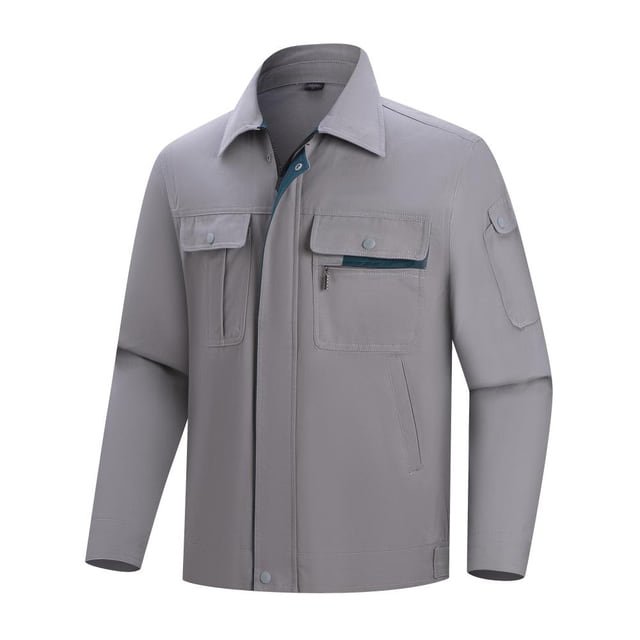
P03-S01 · Style reference
A straightforward collared jacket with chest pockets, a covered front and lower hand pockets.
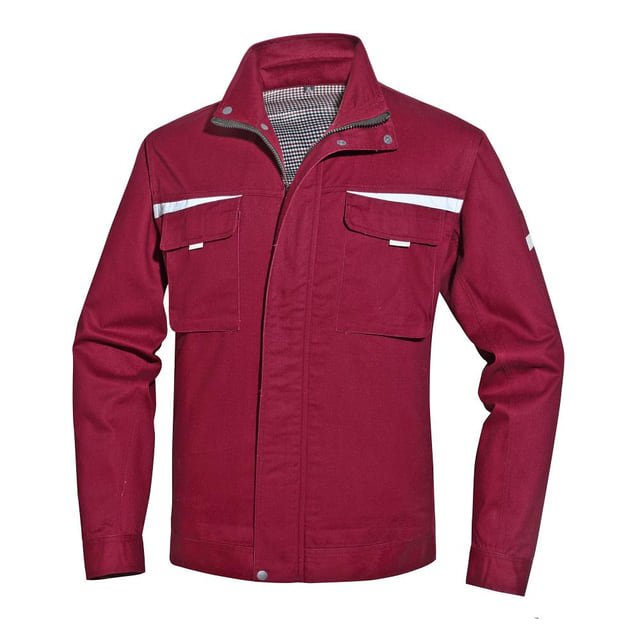
P03-S05 · Style reference
A work jacket with a collar that can be worn raised, a covered front, large chest pockets and a sleeve pocket.
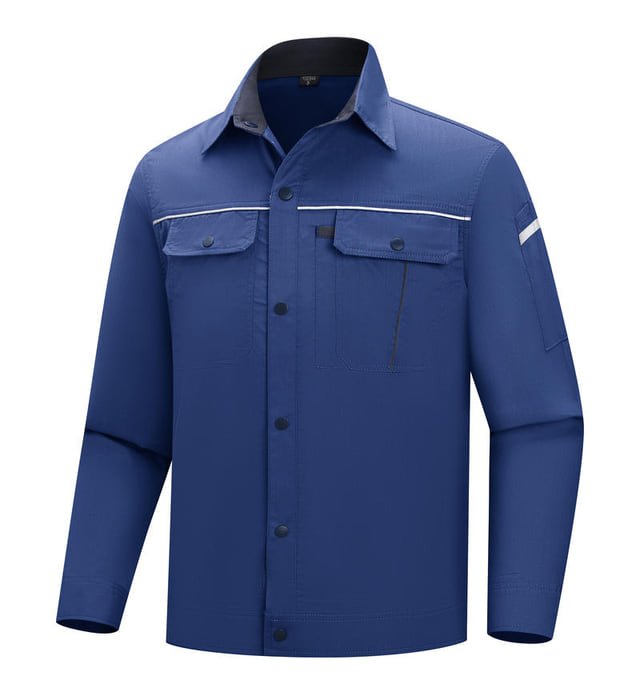
P02-S03 · Style reference
A turn-down collar, twin chest pockets and a sleeve pocket give this long-sleeve shirt a practical layout.
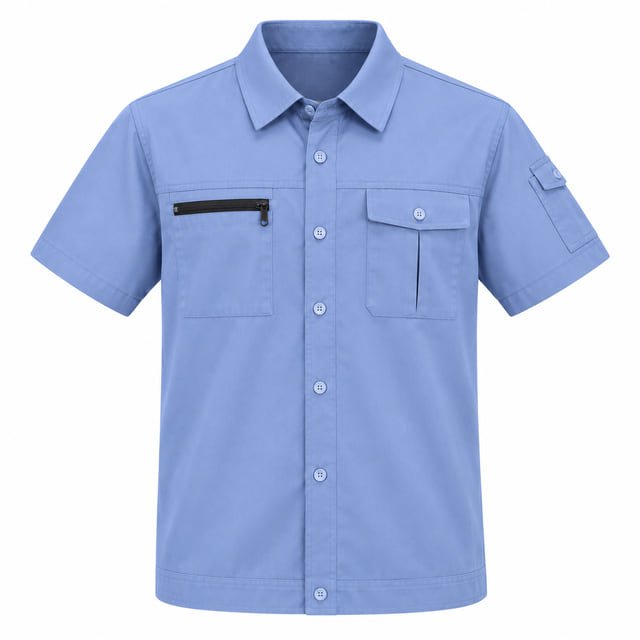
P02-S01 · Style reference
A button-front shirt with short sleeves and a mix of zipped and flap pockets.
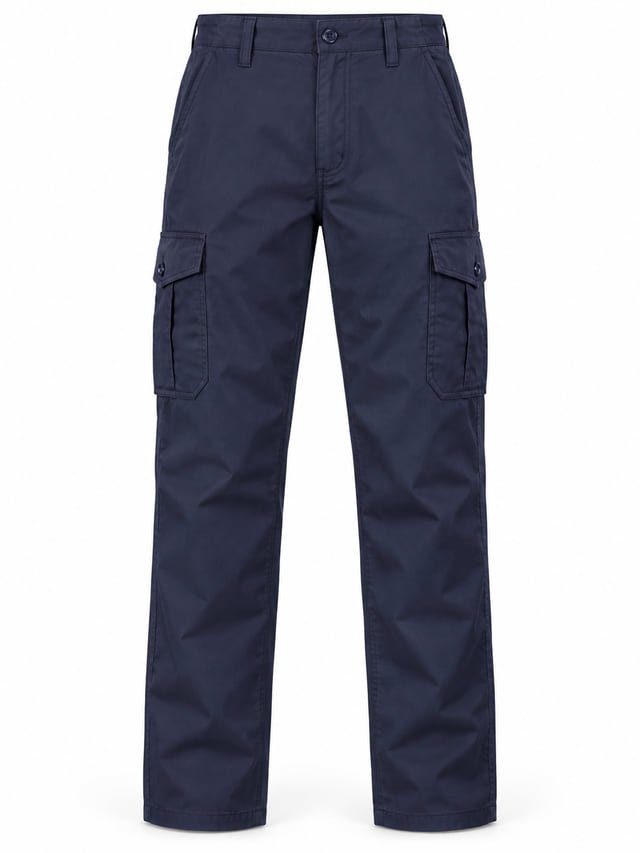
P06-S01 · Style reference
A plain front and flap pockets on both legs keep this cargo layout straightforward.
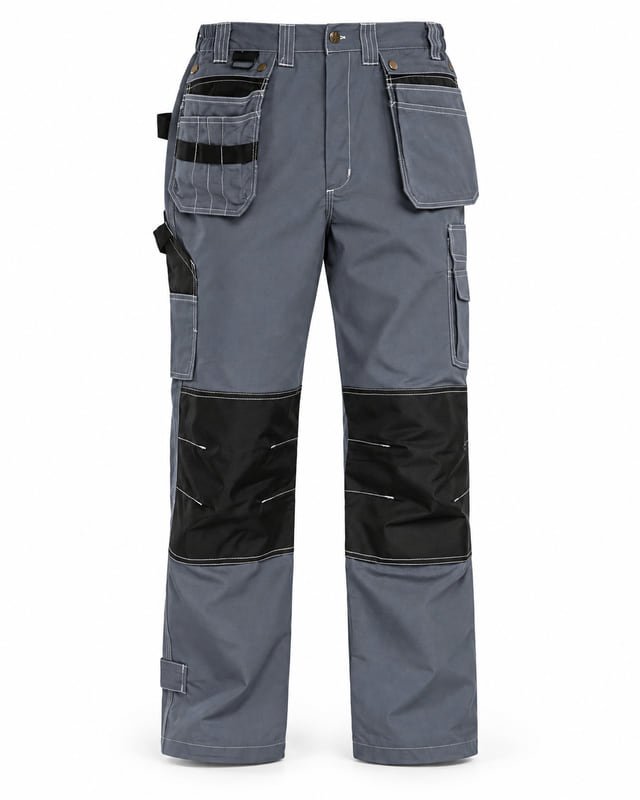
P06-S03 · Style reference
External tool pockets and contrast knee panels, with the storage layout adjusted to the job.
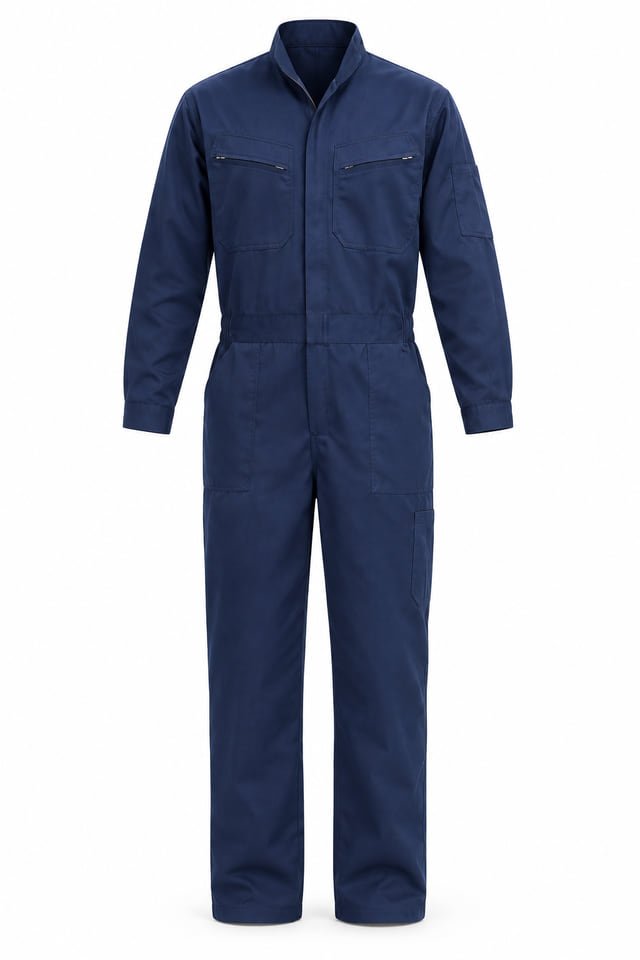
P08-S01 · Style reference
A simple one-piece design with a short stand collar, zipped chest pockets and a covered front.
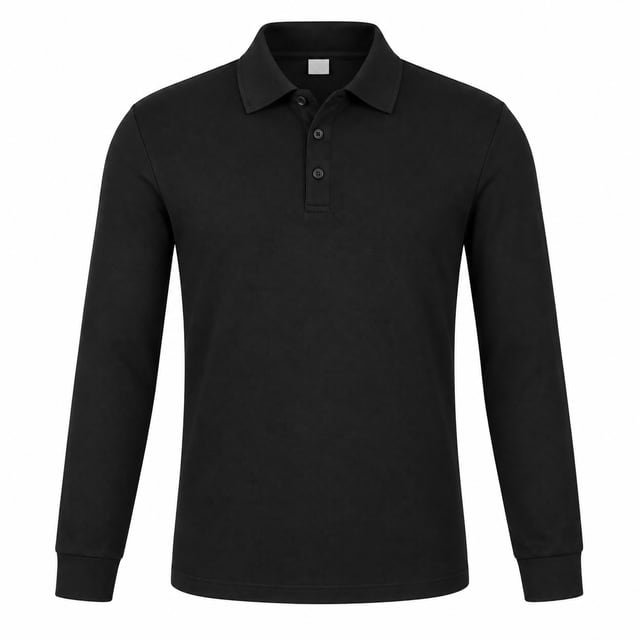
P01-S09 · Style reference
A plain long-sleeve polo for extending a team range beyond short sleeves.
Images include style illustrations. Choose individual garments for your team; we prepare the fabric, size and branding proposal.
Made for your brand
Explore all five finishes, then choose around your logo, garment and working day. These shared technique illustrations show the finish; your fabric and artwork guide the final choice.
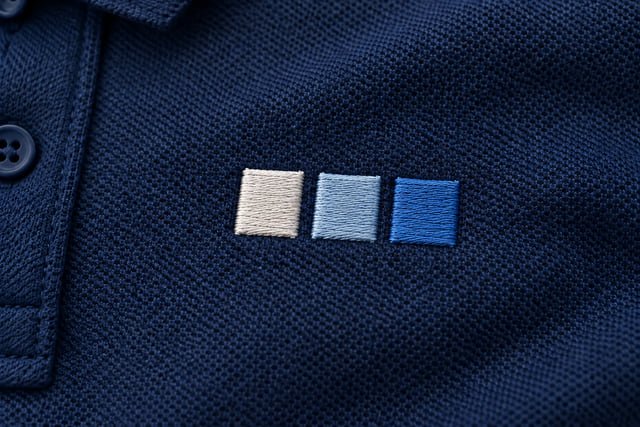
01 / Embroidery
Stitching adds texture to your logo. Review small lettering, thread colors and the feel of the backing on the fabric your team will wear.
Explore embroidery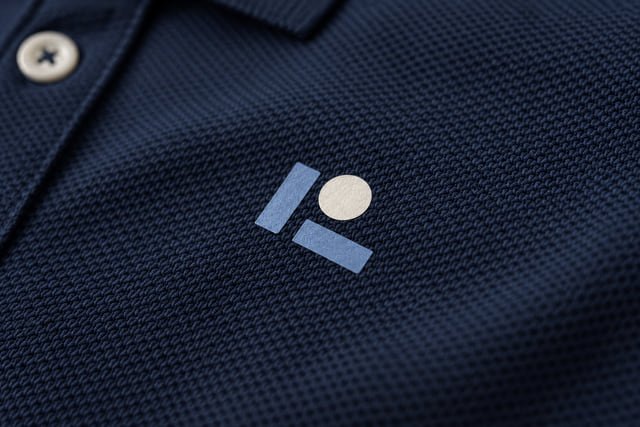
02 / Heat transfers
Heat and pressure apply the design to the garment. Discuss a thin or raised finish, then check flexibility, edges and washing on the chosen fabric.
Explore heat transfers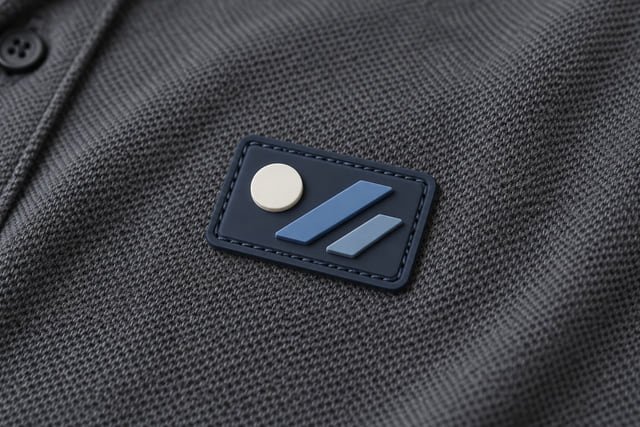
03 / Silicone & PVC patches
A separate patch gives your logo its own outline and surface. Silicone and PVC are different materials; review the feel, attachment and space around pockets and seams.
Explore silicone & pvc patches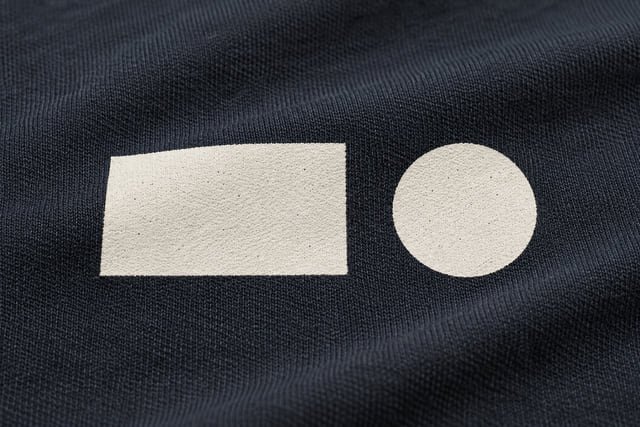
04 / Direct printing
Ink is applied directly to the garment or fabric panel. Compare color, coverage and detail, then assess how the printed area feels and moves with the wearer.
Explore direct printing
05 / Reflective details
Discuss a reflective logo, strip or trim with the garment design. Review placement, attachment and care; reflective details alone do not establish protective-clothing certification.
Explore reflective detailsSend your artwork, the roles and chosen garments, preferred positions and washing routine. Identify any workplace requirements separately.
Coordinate the pieces
Start with separate garments, then review how they work together. Similar colors in reference images do not establish a matched fabric or a coordinated set.
A straightforward two-piece direction for a production team brief. Compare the jacket length, trouser rise and pocket access while seated and reaching across a work surface.
Separate garments and quantities. No set price or stock is implied.
A shirt and trousers with a more detailed storage layout. Use the team's actual carried items and workplace clothing rules to decide which pockets are useful and where they should sit.
Separate garments and quantities. No set price or stock is implied.
Before an order
Describe the roles, typical movements, layers and cleaning routine. If a job has protective-clothing requirements, provide those separately so everyday uniform options are not mistaken for certified protection.
Fabric selectionInclude wearers from the roles and size range you are ordering for. Keep their fit feedback against each garment so changes to sleeves, waist or length are clear before approval.
Sampling & approvalReview the agreed garment and branding details before production. Quality control
Planning your enquiry
Yes. Use shared company colors and branding while listing each role's garments and quantities separately. A production team may start with a jacket and trousers, while a maintenance brief may put more emphasis on pocket placement and layering.
Compare the way people move, change and layer their clothing, along with your workplace requirements. A coverall is a one-piece direction; separate garments allow the top and trousers to be specified independently. Check the proposed fit during relevant tasks.
This page presents everyday workwear style references. Appearance, fabric names or visible trim do not establish protective performance. If your job requires a specific standard, include it in the enquiry for a separate technical and evidence review.
Keep the approved garment measurements, fabric and color references, logo artwork and placement record. Include the original order reference in a later enquiry. Availability, material continuity and the new quantity are checked for that request.
Start with your team
Send the roles, working conditions, garment quantities and any site clothing requirements. Add a preferred style or a photo of your current uniform to begin the brief.