Workwear quality control
What you approve.
What we check.
Our own factories and manufacturing partners check quality during production. Tervorin’s own QC team checks the order before shipment against your approved sample and specifications.
We agree the inspection scope with you, including whether the order needs sample-based checks or full inspection.
From approval to release
Clear responsibilities.
One agreed standard.
The same approved requirements guide the work at our factories and our manufacturing partners. Our QC team uses them to check the order before shipment.
You + Tervorin
Agree the reference.
Approve the sample, specifications and any revisions before bulk production.
Sample approvalProduction team
Check during production.
Our own factories and manufacturing partners check the work during production against the approved requirements.
Tervorin QC team
Check before shipment.
We inspect against the agreed reference, with sample-based or full checks as arranged.
Tervorin + factory
Resolve, then release.
If something doesn’t match, we arrange the necessary correction and check the result before release.
The garment, detail by detail
Check the things
your team will notice.
A logo in the wrong place, a tight sleeve or mixed size labels can create extra work when the order arrives. We bring those details into the inspection requirements.
Fabric & colorMaterial, shade and appearance
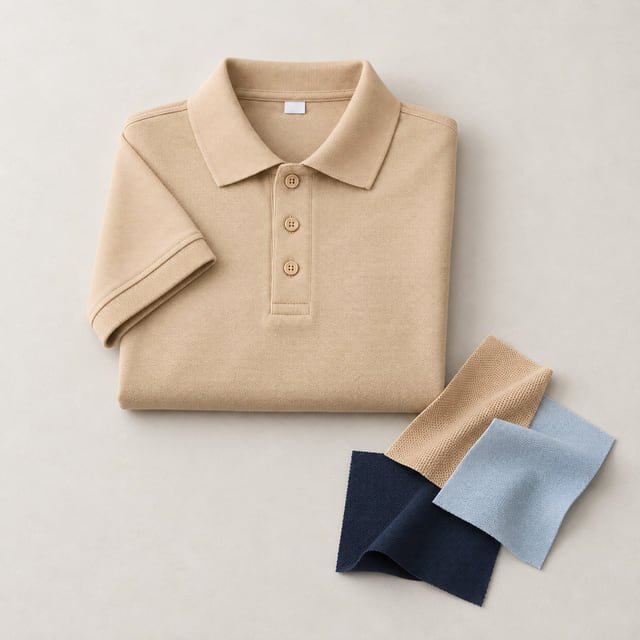
Compare the fabric and garment color with the approved reference. Look for visible marks or shade differences across panels.
For a coordinated range, tell us which garments need to look right together.
Choosing the fabricGarment measurementsThe agreed measuring points and fit
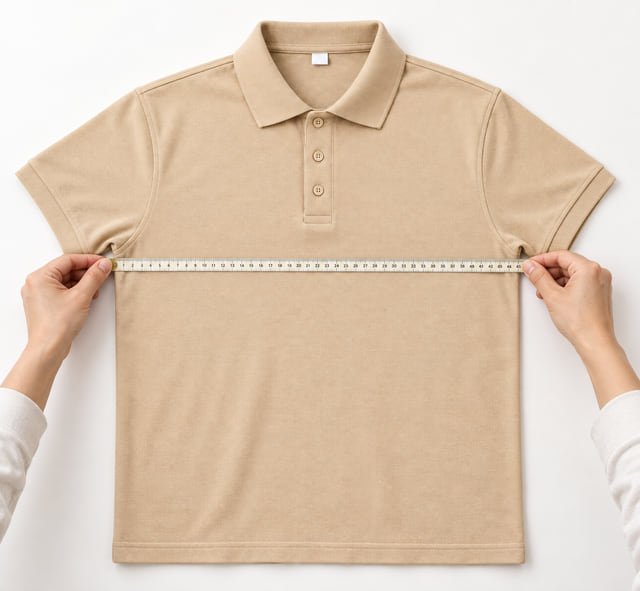
Check the agreed measurements using a consistent method. The specification should make clear where to measure and what variation is acceptable.
Fit decisions belong at the sample stage, before the size range goes into production.
Fit & sizingStitching & finishingSeams, hems and everyday handling
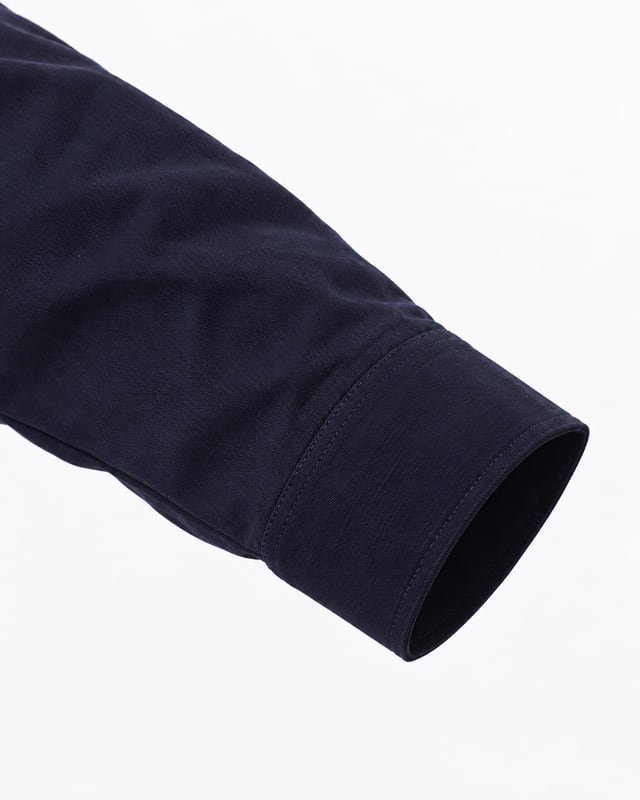
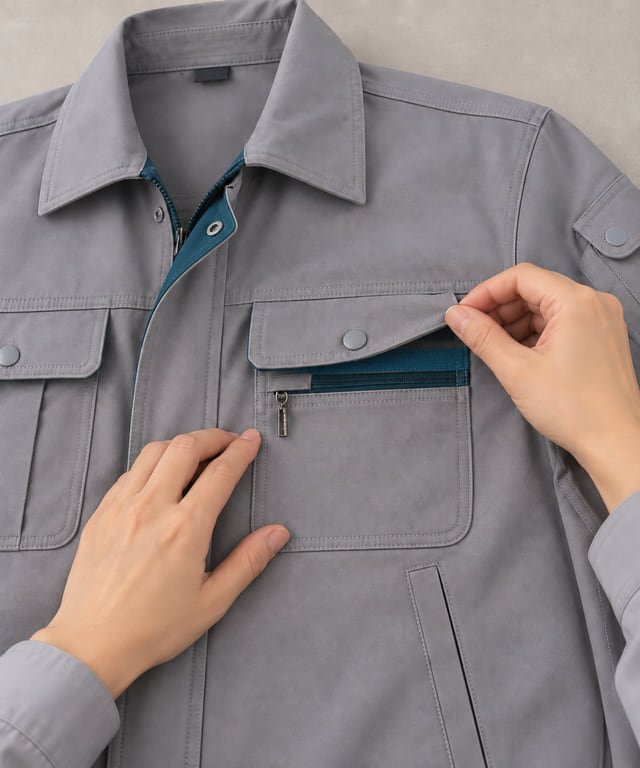
Review the stitching, seams, hems and overall finish. Check pockets and operate the buttons, zips or other closures included in the garment.
Inspect the inside as well as the outside, with the approved construction as the reference.
Labels & garment trimsLogo executionSize, placement, color and finish
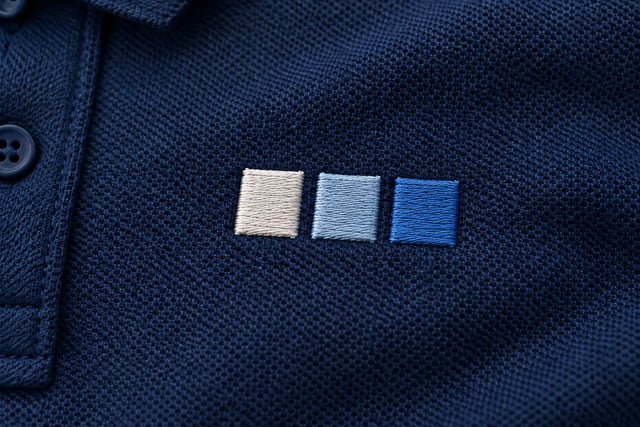
Compare the logo’s dimensions, location, colors and visible finish with the approved sample. Look at the result on the garment, not just the artwork.
The inspection follows the decoration method chosen for your fabric and design.
Logos & decorationLabels & packingThe right identification and grouping
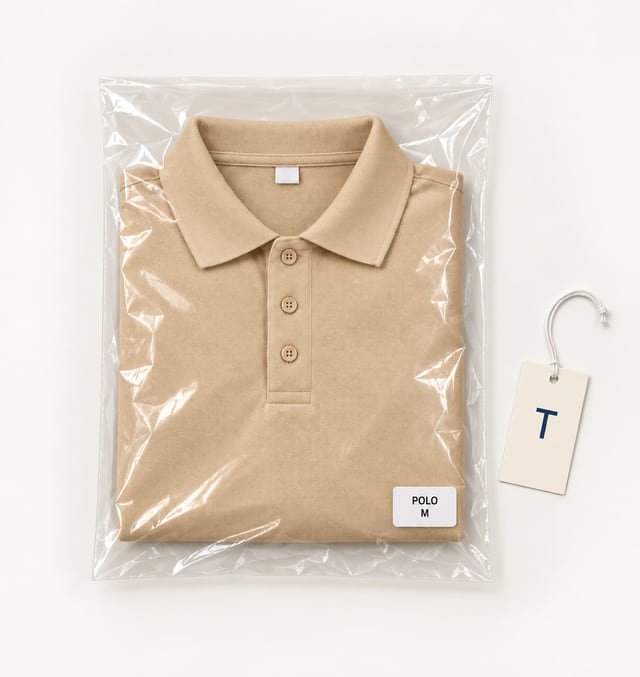
Check label information and attachment, then review the agreed packing and identification. Grouping by size or team should follow the order instructions.
Share any receiving or distribution requirements early so they are included in the packing plan.
Packaging & packing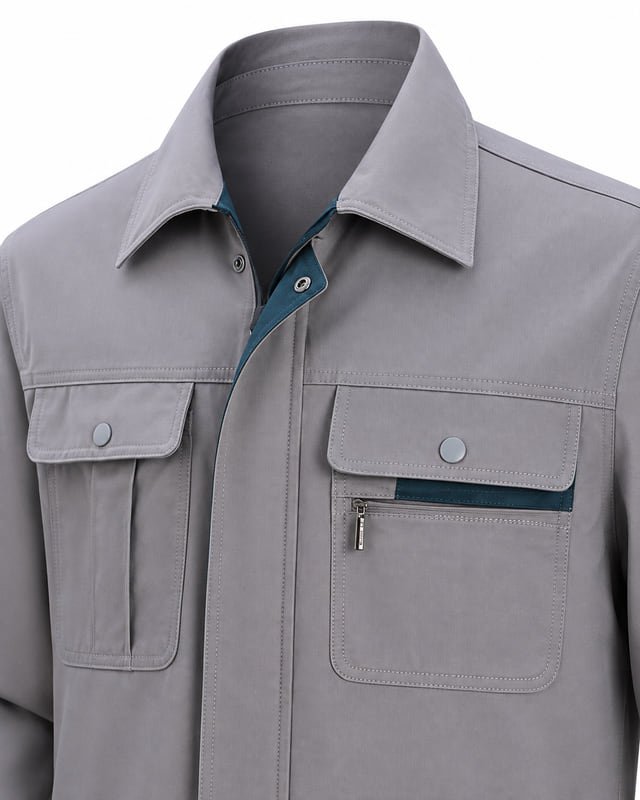
When a detail doesn’t match
Found an issue?
We follow it through.
If our QC team finds a difference, we review it against the approved requirements and arrange the correction with the production team. We check the result before releasing the order.
Identify the difference.
Compare it with the approved sample and specification so everyone is looking at the same requirement.
Agree what needs to happen.
Arrange the correction with the production team. Discuss any change that needs your approval.
Follow up before release.
Check the corrected work against the agreed requirement before shipment.
Want a closer look? Tell us which details you want to review. We’ll confirm the photos we can arrange and when they will be available.
See how we work togetherQuality questions
Make the expectations clear.
Your requirements help shape the check. Bring up any previous order problems or details you want us to pay attention to.
Is every garment inspected?
The scope is agreed for the order. We can arrange sample-based inspection or full inspection, depending on the requirements. We confirm that scope with you rather than assume the same approach suits every order.
Can we specify our own inspection priorities?
Yes. Share your specification, measurement method and any particular concerns before production starts. We’ll review the requirements together and confirm what is included in the inspection.
Can we see photos before shipment?
Yes. Tell us which samples, garment details or inspection points you’d like to see. Our team will confirm the photos we can provide and when.
What if we notice a problem after delivery?
Contact Tervorin with the order reference, affected items and clear photos. We’ll check the issue, explain the proposed solution and follow through on what we agree with you.
How to report an order issueSet the requirements early
Tell us what needs
extra attention.
Share your specification or a previous garment, and the details you want to get right. We’ll help bring them into the sample and inspection requirements.