
Recognition at a glance
Choose a clear color and logo direction before adding extra details. Review the artwork at the size and position customers will see, including on any outer layer.
For shop-floor, counter & customer-facing teams
Help customers recognize your team, with a uniform that feels like part of your brand. Compare polos, T-shirts, shirts and extra layers for busy counters, long shifts and a consistent look across locations.

Your brand, through the working day
A good-looking uniform is only the beginning. Think about what happens when staff reach for stock, move between counter and floor or put on another layer.
Choose a clear color and logo direction before adding extra details. Review the artwork at the size and position customers will see, including on any outer layer.
Compare room through the shoulders and waist, sleeve length and garment feel with a few team members. Include reaching, sitting and the way the top is tucked or worn loose.
Keep a core style brief for everyday staff and list event or seasonal needs separately. Save the approved color, artwork and measurements for future enquiries across locations.
Choose around the role
Choose a role to carry it into your enquiry.
8 style references
Choose a style. We help with fabric, fit and logo options for your team.
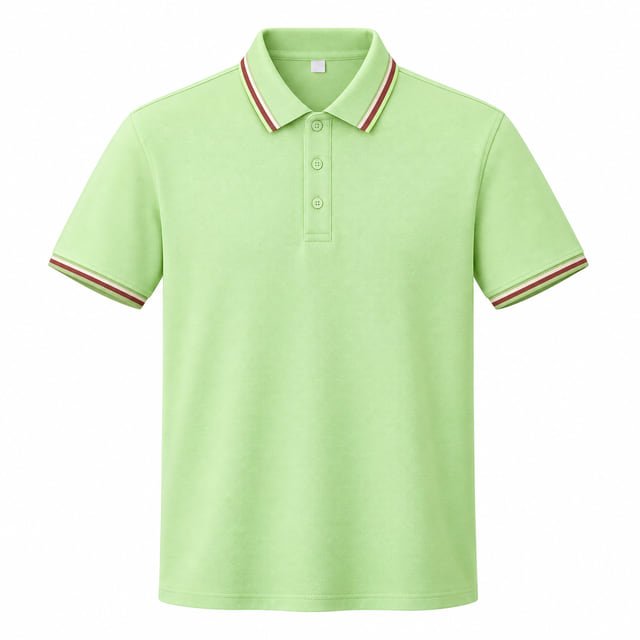
P01-S05 · Style reference
Narrow collar and cuff stripes add a team-color detail to a short-sleeve piqué polo.
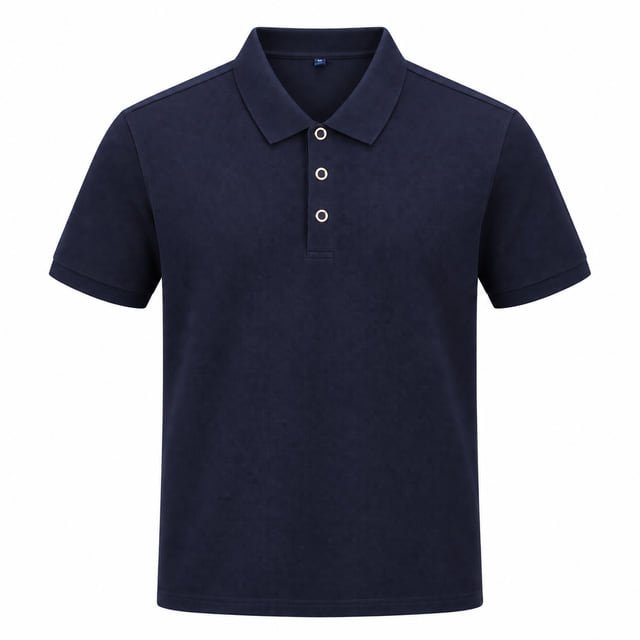
P01-S04 · Style reference
A plain short-sleeve shape with a smoother cotton piqué finish to compare on a swatch.
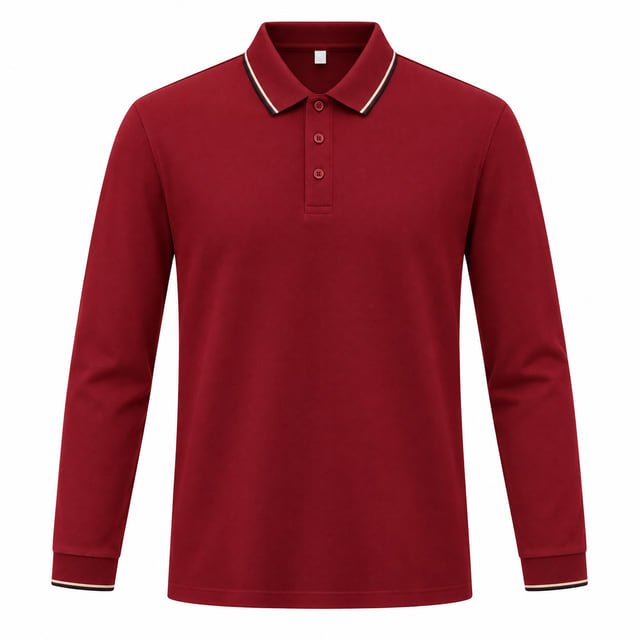
P01-S13 · Style reference
Narrow collar and cuff stripes carry a second color through this long-sleeve polo.
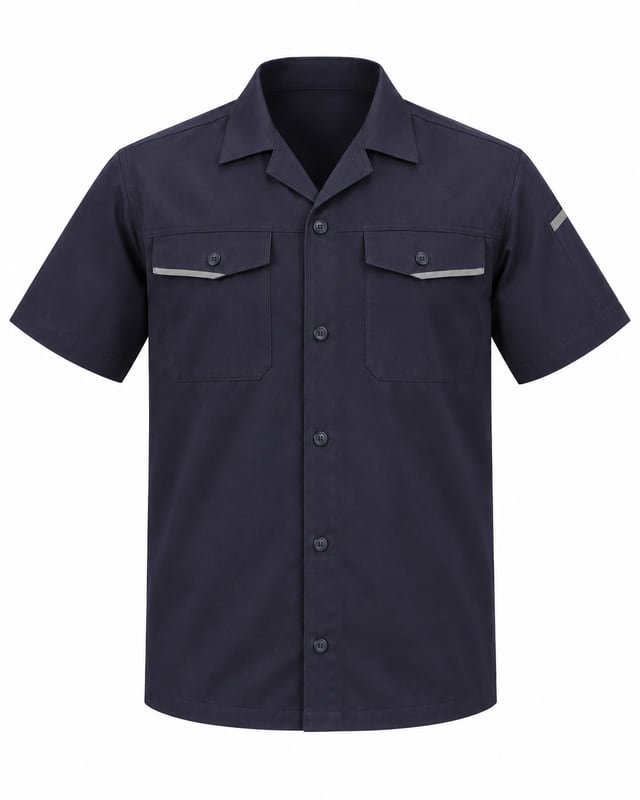
P02-S04 · Style reference
A short-sleeve shirt with a full button front and two flap chest pockets, finished with narrow pocket trim.
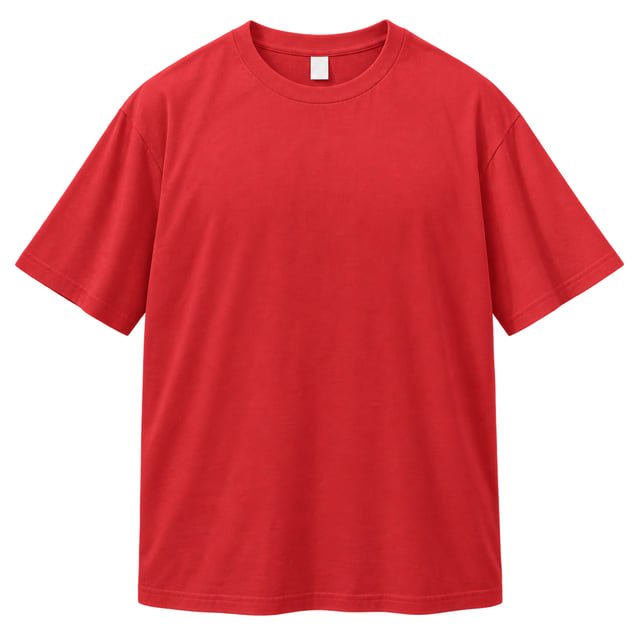
P09-S01 · Style reference
A plain crew neck and set-in sleeves leave a clear front for your team colors and artwork.
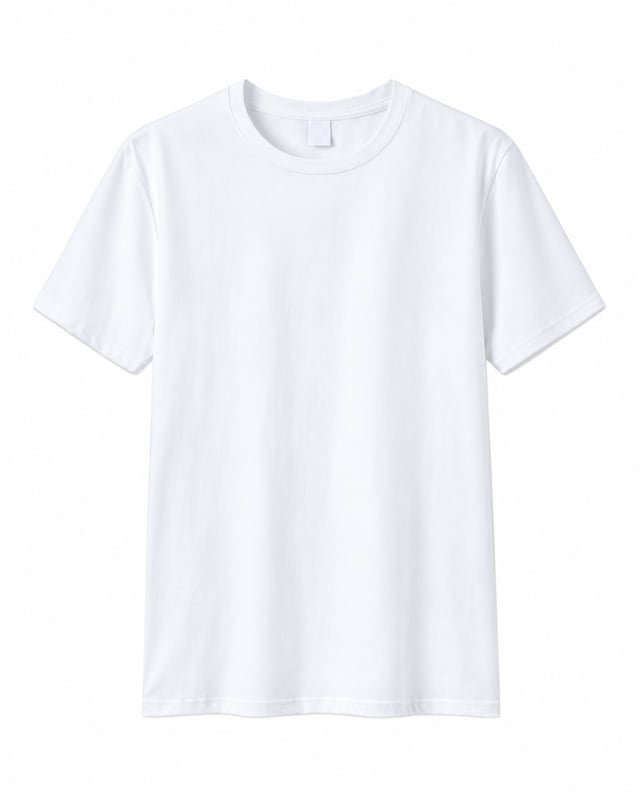
P09-S03 · Style reference
A crew-neck shape with cotton-and-elastane fabric. Choose the fit and amount of room the wearer needs.
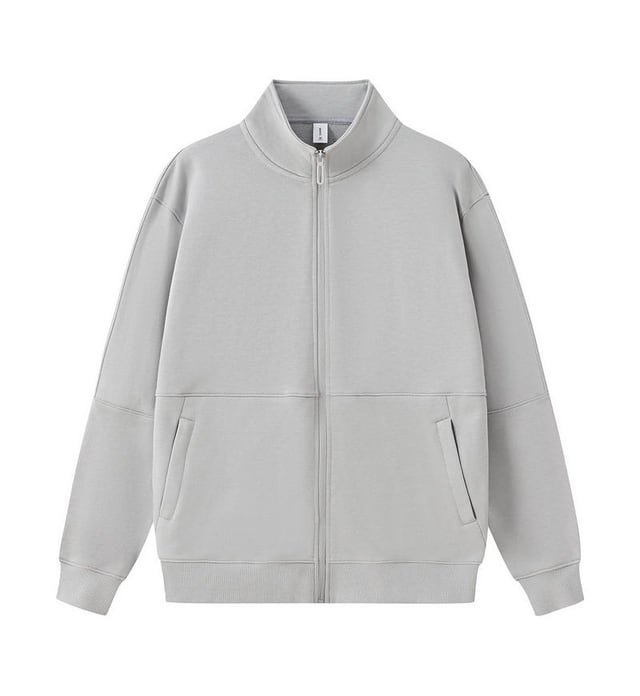
P10-S06 · Style reference
A hood-free sweatshirt with a full front zip and two pockets, for a straightforward team layer.
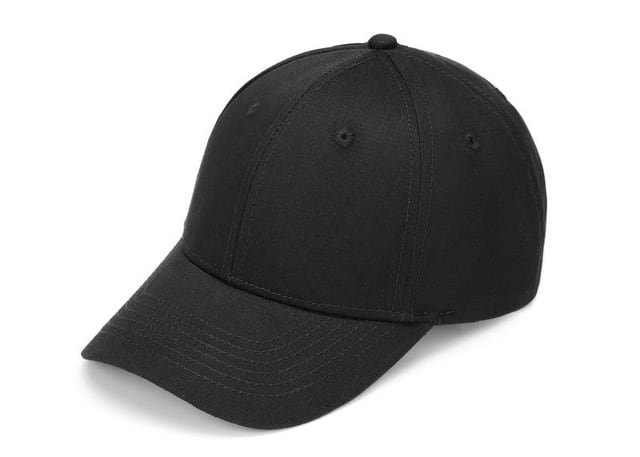
P11-S01 · Style reference
A supported six-panel crown, curved brim and metal back adjuster give this cap its defined shape.
Images include style illustrations. Choose individual garments for your team; we prepare the fabric, size and branding proposal.
Made for your brand
Explore all five finishes, then choose around your logo, garment and working day. These shared technique illustrations show the finish; your fabric and artwork guide the final choice.
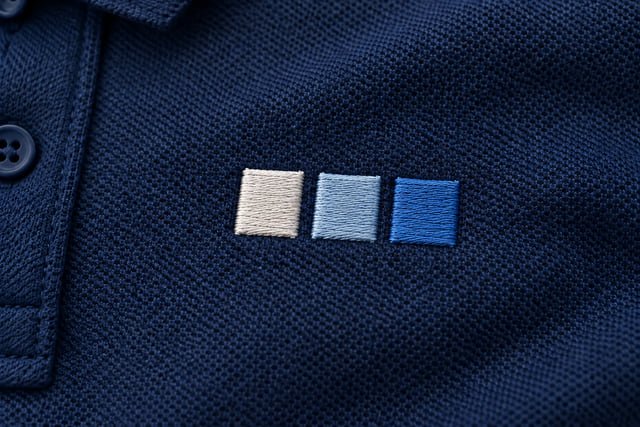
01 / Embroidery
Stitching adds texture to your logo. Review small lettering, thread colors and the feel of the backing on the fabric your team will wear.
Explore embroidery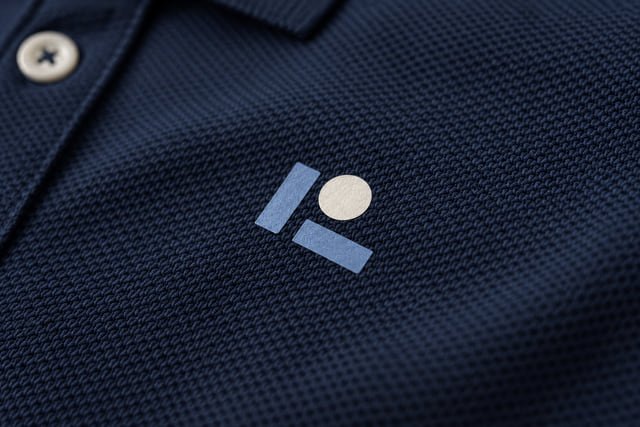
02 / Heat transfers
Heat and pressure apply the design to the garment. Discuss a thin or raised finish, then check flexibility, edges and washing on the chosen fabric.
Explore heat transfers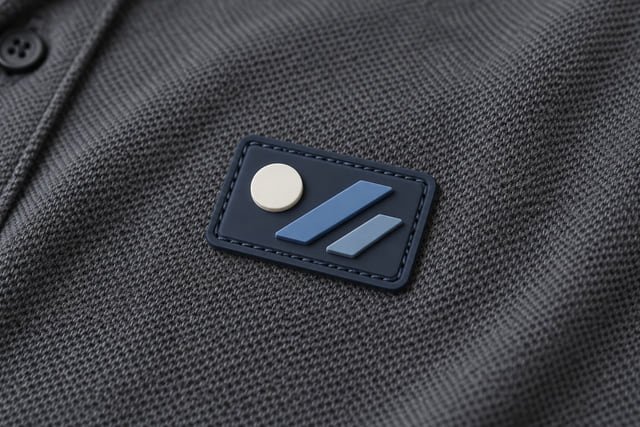
03 / Silicone & PVC patches
A separate patch gives your logo its own outline and surface. Silicone and PVC are different materials; review the feel, attachment and space around pockets and seams.
Explore silicone & pvc patches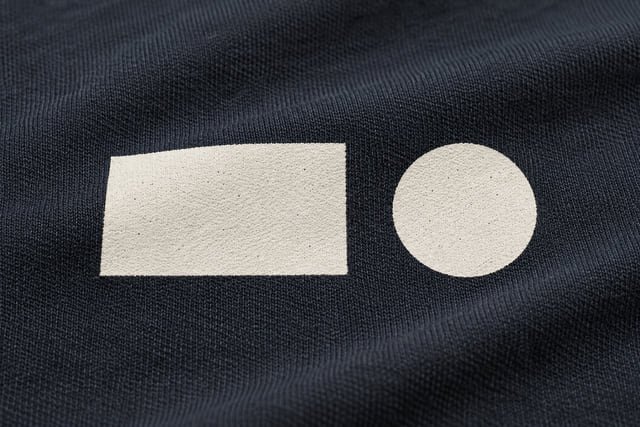
04 / Direct printing
Ink is applied directly to the garment or fabric panel. Compare color, coverage and detail, then assess how the printed area feels and moves with the wearer.
Explore direct printing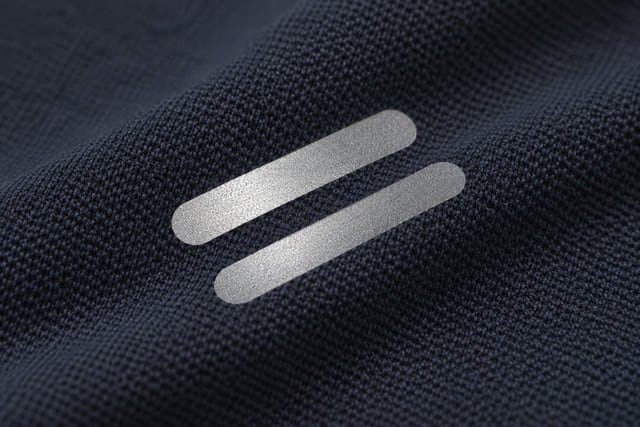
05 / Reflective details
Discuss a reflective logo, strip or trim with the garment design. Review placement, attachment and care; reflective details alone do not establish protective-clothing certification.
Explore reflective detailsSend the logo, brand palette, preferred garments and store quantities. Include launch or event dates and any name-label requirements.
Coordinate the pieces
Create a small, clear uniform range rather than asking every role to wear the same outfit. Review the colors, branding and fit together; each item has a separate quantity.
A polo and cap direction for a casual counter or store brief. Compare the collar trim with your brand palette and adapt the logo size separately for the chest and cap.
Separate garments and quantities. No set price or stock is implied.
A simple T-shirt with a hood-free zip layer for the same team. Plan the artwork around the outer layer's opening and decide which logo should be visible when it is zipped up.
Separate garments and quantities. No set price or stock is implied.
Before an order
Compare fabric swatches alongside your brand palette. Weight, surface texture and drape can change how the same uniform idea looks and feels when worn.
Explore fabric choicesBreak quantities down by location, garment and size. Add launch dates or event requirements to the brief so everyday uniforms and one-off requests can be assessed clearly.
Sampling & approvalReview the agreed garment and branding details before production. Quality control
Planning your enquiry
Consider your brand, the tasks involved and how staff wear the uniform. A polo adds a collar and placket; a T-shirt offers a simpler front for artwork. Compare the proposed fabric and fit, as those can matter as much as the garment type.
Yes. Keep shared colors or branding while choosing separate tops and layers for each group. List each garment and quantity in the enquiry so the range is clear.
Yes. Send the artwork, preferred positions and approximate quantities. The detail in the logo, selected fabric and available space help guide the method and sample discussion.
Start with one approved style and branding brief, then add garment quantities, size splits and destinations for each location. Keep opening dates, seasonal needs and later replacement requests visible rather than combining everything into one headcount.
Start with your team
Share your logo, brand colors, store locations and the styles you like. Add approximate quantities and any opening or event dates to start a practical brief.